Application note
How to Select a Heat-Resistant Conveyor Belt for Hot Materials
Learn how material temperature, particle size, exposure time, belt construction and conveyor conditions affect heat-resistant conveyor belt selection.
ZW Conveyor Belt
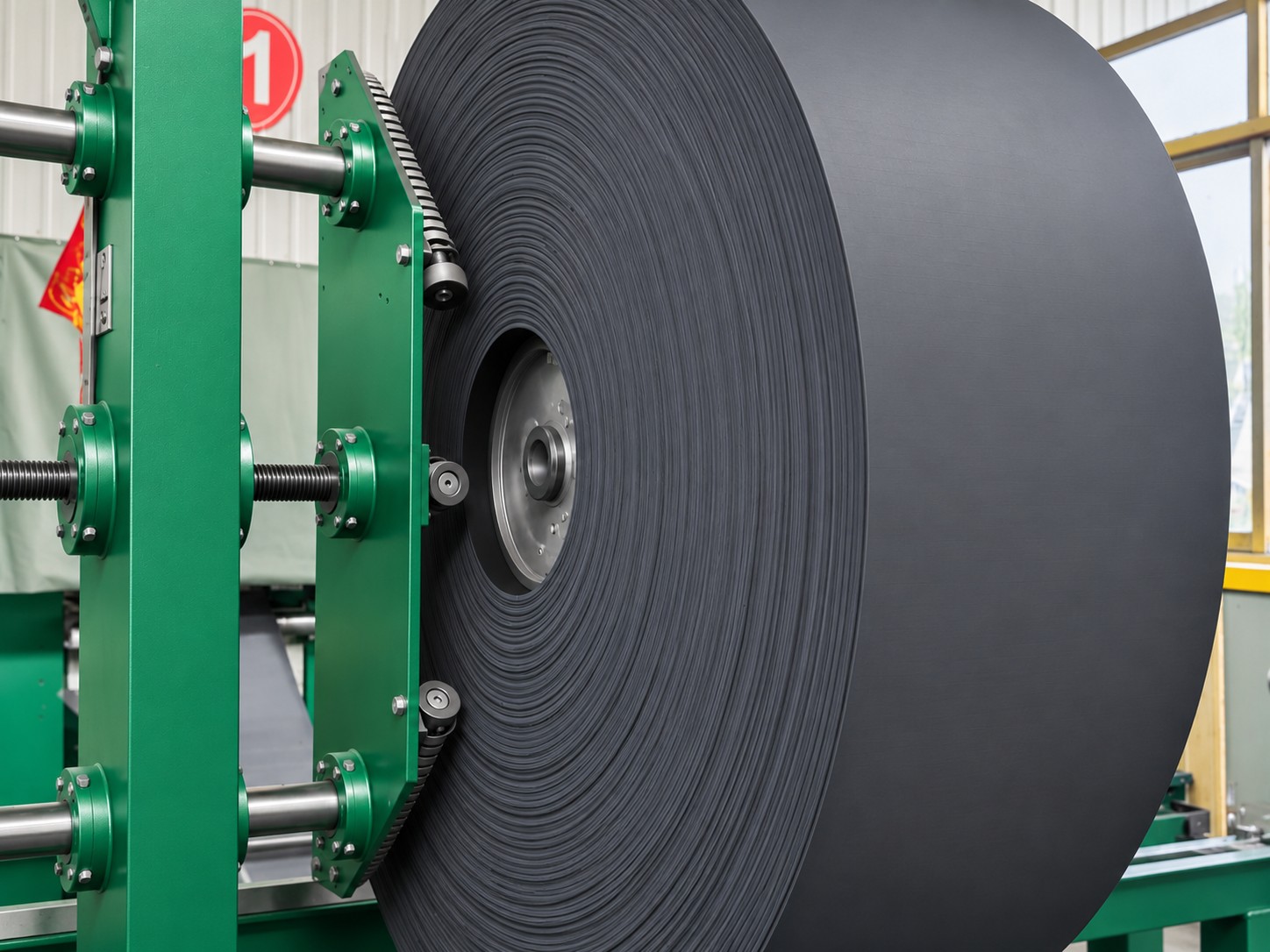
Moving hot clinker, sinter, coke, foundry sand or other high-temperature bulk materials places demands on a conveyor belt that a general-purpose belt may not be designed to handle. Prolonged heat exposure can harden the rubber cover, reduce flexibility, weaken adhesion and eventually lead to cracking or separation.
Selecting a heat-resistant conveyor belt therefore requires more than specifying a maximum temperature. Buyers should consider how hot the material is when it reaches the belt, how long the belt remains in contact with it and what other mechanical stresses occur at the same time.
This guide explains the information a manufacturer needs to recommend an appropriate belt for a hot-material conveying system.
- Measure the Material Temperature at the Belt
The temperature inside a kiln or process vessel may be very different from the temperature at the conveyor loading point. Cooling can occur during discharge, storage or transfer.
For a useful product recommendation, provide:
- Normal continuous material temperature
- Maximum or peak temperature
- Frequency and duration of temperature peaks
- Ambient temperature around the conveyor
- Where and how the temperature was measured
Actual site measurements are more useful than a general statement such as “used in a cement plant.”
2. Identify the Material and Particle Size
Heat is only one source of belt stress. Hot clinker and ore may also be abrasive, sharp and heavy. Fine hot powder behaves differently from large lumps, even when both are measured at the same temperature.
Tell the supplier:
- Material name and composition
- Maximum and typical particle size
- Bulk density
- Moisture content
- Whether the material has sharp edges
- Whether hot particles can become embedded in the belt surface
These details help determine the required cover characteristics, thickness and belt construction.
3. Evaluate Contact Time and Cooling Conditions
A short conveyor operating at a higher belt speed may expose each section of the belt to heat for less time than a long, slow conveyor. Return-side ventilation and the time available for cooling also affect belt temperature over repeated cycles.
Important conveyor data includes:
- Conveyor length
- Belt speed
- Operating hours per day
- Loading frequency
- Return-belt ventilation
- Indoor or outdoor installation
Continuous operation with limited cooling can be more demanding than occasional exposure to a brief temperature peak.
4. Review the Loading Point
The loading zone is often where thermal and mechanical damage occur together. A large drop height can drive hot, sharp material into the belt cover.
Review the following:
- Material drop height
- Chute design
- Direction and speed of material flow
- Impact support
- Loading position on the belt
- Material accumulation near the skirt boards
Correctly selected impact idlers or an impact bed can help control mechanical shock, but they do not replace proper chute design or correct belt selection.
5. Confirm Belt Dimensions and Construction
For a replacement belt, provide the full existing specification rather than the width alone. Useful data includes:
- Belt width and total length
- Fabric type and number of plies
- Rated tensile strength
- Top and bottom cover thickness
- Overall belt thickness
- Edge construction
- Splice type
- Drive, tail and bend pulley diameters
A thicker or stronger belt is not automatically better. Its construction must remain compatible with the pulleys and take-up arrangement.
6. Check for Additional Operating Risks
Hot-material conveyors may also face oil, chemicals, flame risk or severe abrasion. A belt should be selected for the combined environment rather than one condition in isolation.
Inform the supplier if the belt is exposed to:
- Oil or grease
- Acidic or alkaline material
- Open flame or fire-safety requirements
- Outdoor rain and sunlight
- Repeated heavy impact
- Sticky material buildup
Any required standard, test method or certificate should be stated before quotation and order confirmation.
7. Inspect the Entire Conveyor System
Even a suitable heat-resistant belt can fail early when the conveyor has mechanical problems. Before installing a replacement, inspect:
- Seized or damaged idlers
- Pulley alignment
- Belt tracking
- Belt tension and take-up travel
- Drive pulley slip
- Damaged belt cleaners
- Material buildup
- Chute and skirt-board condition
Slippage creates frictional heat in addition to material heat. Misalignment can also concentrate wear along one belt edge.
Information to Send With Your RFQ
Prepare the following before requesting a quotation:
1. Material name and particle size
- Continuous and peak material temperatures
- Belt width, length and speed
- Capacity in tons per hour
- Conveyor length and inclination
- Existing belt construction and cover thickness
- Pulley diameters
- Loading height and impact conditions
- Operating hours and environment
- Required quantity, destination and documentation
Photographs of the loading zone, current belt marking and damaged areas can help the supplier understand the application.
Final Recommendation
The right heat-resistant conveyor belt is the one matched to verified site conditions. Temperature is important, but particle size, impact, exposure time, belt construction and conveyor condition also influence performance.
ZW Conveying manufactures heat-resistant rubber conveyor belts in custom widths, lengths, constructions and cover thicknesses for cement, metallurgy and other bulk-material-handling applications.