Application note
Impact Idler Maintenance: 8 Checks That Help Protect the Conveyor Belt
Use this practical impact idler inspection checklist to identify damaged rubber rings, seized bearings, poor alignment and loading-zone problems before they damage the belt.
ZW Conveyor Belt
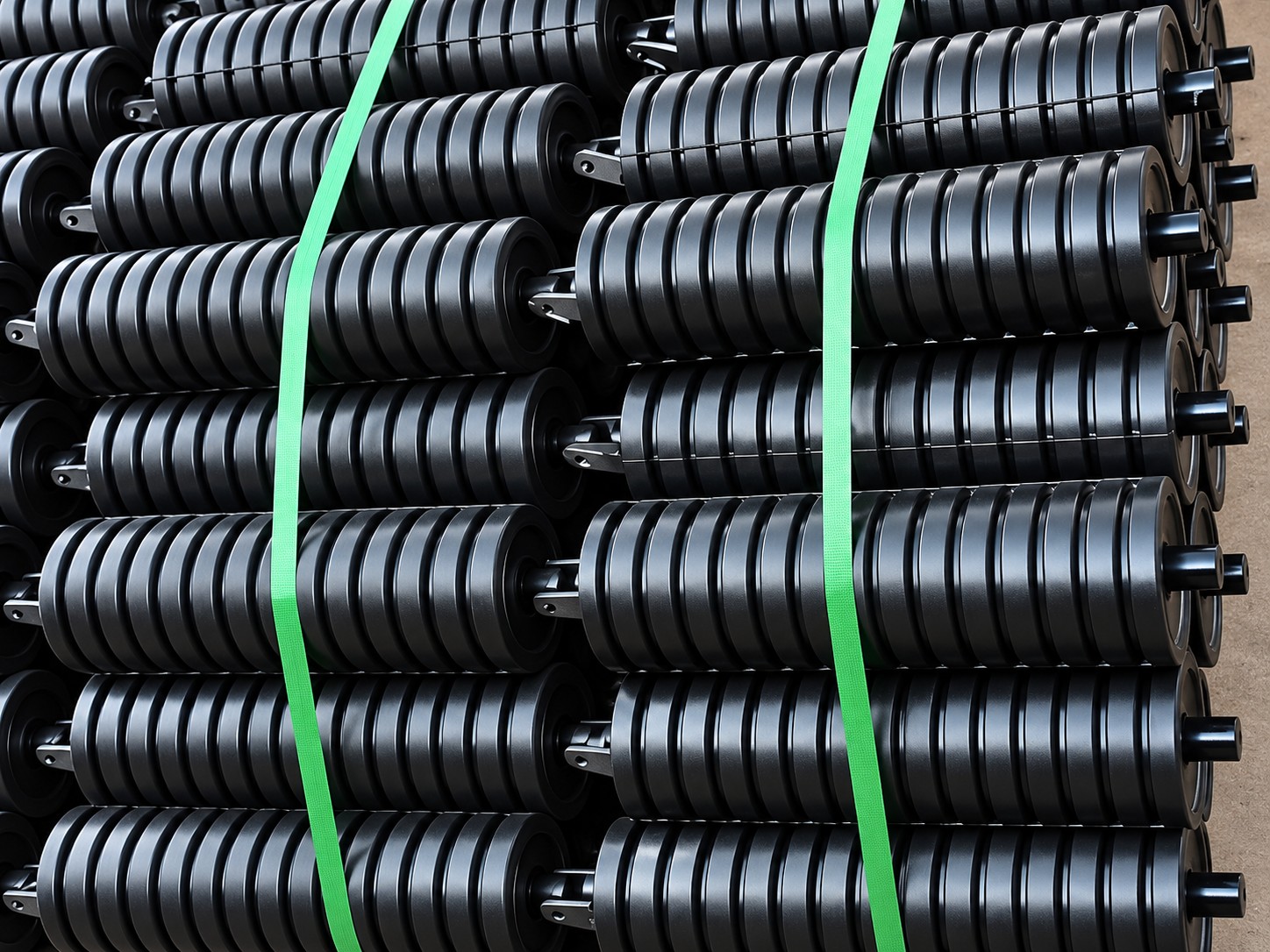
The loading zone is one of the most demanding areas of a belt conveyor. Material can strike the belt with substantial force, especially in mining, quarrying and crushing applications where lump size and drop height are high.
Impact idlers use resilient rubber rings to absorb part of this shock and support the belt beneath the feed point. When an impact idler seizes, loses rings or moves out of alignment, the belt receives less protection and may suffer cover damage, punctures or tracking problems.
The following inspection routine helps maintenance teams identify common problems before they lead to a shutdown.
1. Check Every Roller for Free Rotation
A seized roller creates sliding friction against the moving belt. This can wear the bottom cover and generate localized heat.
With the conveyor safely isolated according to site procedures, check that each roller rotates smoothly. Investigate rollers that are difficult to turn, produce grinding noise or stop much sooner than nearby units.
Do not continue operating a visibly seized impact roller simply because the other rollers in the set still rotate.
2. Inspect the Rubber Rings
Rubber rings are the main impact-absorbing elements. Look for:
- Missing or displaced rings
- Deep cuts and splits
- Severe flattening
- Hardening or cracking
- Uneven ring wear
- Loose rings moving along the shell
Damage concentrated on one section can indicate off-center loading rather than a product problem alone.
3. Listen for Bearing and Seal Problems
Abnormal noise can provide early warning of internal contamination or bearing damage. Water, dust and fine material can shorten bearing life if the sealing arrangement has been compromised.
During operation, listen for grinding, clicking or squealing. Compare the suspect roller with other rollers in the same loading zone. Excessive noise, vibration or temperature should be investigated promptly.
4. Verify Frame and Idler Alignment
An impact idler set must support the belt evenly. Loose fasteners, bent frames or incorrect installation can create an uneven belt path.
Check:
- Frame condition and welds
- Mounting bolts
- Roller position
- Trough angle
- Squareness to the conveyor centerline
- Clearance between the belt and structure
Misalignment at the feed point can contribute to belt drift and edge wear further along the conveyor.
5. Examine the Loading Pattern
Material should load near the center of the belt and ideally move in the same direction as the belt. Off-center or uncontrolled loading creates unequal forces across the impact idler set.
Observe whether:
- Material lands centrally
- Large lumps strike one roller repeatedly
- The chute directs material against the belt direction
- Material spills outside the supported area
- The belt visibly sags between idlers
Changing idlers without correcting a poor loading pattern will usually lead to repeated failures.
6. Remove Material Buildup
Material packed around the roller ends, frame or skirt area can restrict rotation and alter belt alignment. Sticky fines can also conceal damaged rings and fasteners.
Keep the inspection area clean enough to see the roller surfaces and supporting structure. Cleaning methods must follow site safety procedures and must not damage the belt or rubber rings.
7. Check Idler Spacing and Support Coverage
The loading zone should be supported across the area where material impact occurs. Excessive spacing can allow the belt to sag and flex between idler sets.
Review the original conveyor design before changing idler spacing or trough geometry. For severe impact, the loading-zone arrangement may need to be assessed as a system that includes the chute, skirt boards, idlers or impact bed and belt construction.
8. Record Repeated Failures
A maintenance record can reveal patterns that are not obvious during a single inspection. Record:
- Conveyor and loading-zone location
- Inspection and replacement dates
- Roller dimensions and type
- Failure position within the set
- Observed ring, bearing or frame damage
- Material and operating conditions
- Corrective action taken
If the same position fails repeatedly, investigate the loading direction, drop height, alignment and frame condition before simply installing another identical roller.
When Should an Impact Idler Be Replaced?
Replacement should be considered when the roller is seized, the shell or shaft is damaged, rubber rings are missing or severely deteriorated, or bearing and sealing problems affect normal rotation.
The appropriate action depends on site safety requirements and the actual condition of the component. Do not weld, modify or rebuild an idler without an approved procedure.
Information Needed for a Replacement Quote
Provide:
- Belt width
- Roller diameter and face length
- Overall shaft length
- Shaft-end dimensions
- Bearing arrangement, if known
- Frame or trough angle
- Quantity
- Material and loading conditions
- Photographs and a dimensioned drawing
Do not rely only on color or appearance. Two rollers that look similar may have different shafts, bearings, seals or mounting dimensions.
Final Recommendation
Impact idlers are relatively small components, but their condition directly affects belt protection at the point of highest loading stress. Regular inspection of rotation, rubber rings, bearings, alignment and material flow can reduce avoidable belt damage and unplanned downtime.